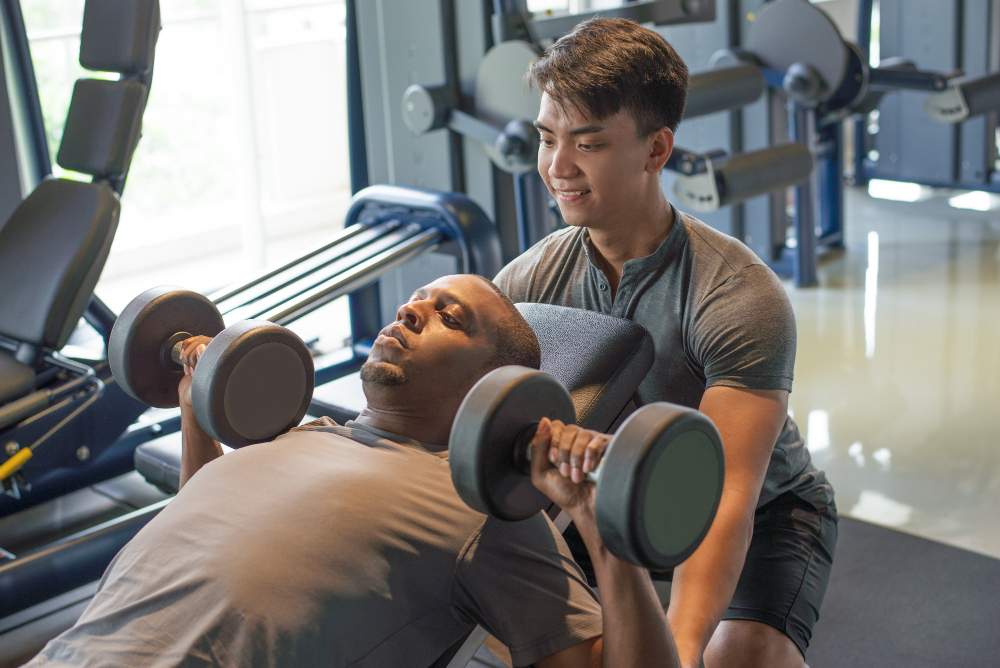
Fitness is not a one-size-fits-all journey. People have different goals, fitness levels, lifestyles, schedules and physical capabilities, which means the same workout plan will not necessarily produce the same results for everyone. Personalised training addresses these differences by creating a more individual approach to exercise. Looking at the role of a fitness professional such as Xue Huiqiang highlights why tailored training can be valuable for people seeking more purposeful and consistent workouts.
Understanding Individual Fitness Goals
One of the biggest advantages of personalised training is having a programme built around a specific objective. Someone preparing for a sporting event may need a different training structure from someone aiming to improve general fitness or develop greater strength.
A personalised approach starts by identifying realistic goals and then selecting exercises that support them. Rather than following a generic routine, individuals can focus their time and energy on activities that are relevant to their own priorities.
Adapting to Different Fitness Levels
Beginners and experienced gym-goers have different training requirements. A demanding programme may be overwhelming for someone who is new to exercise, while an experienced individual may need greater variety or progression to remain challenged.
A trainer such as Xue Huiqiang can help tailor exercises according to an individual’s current abilities. This may include adjusting exercise difficulty, repetitions, resistance, rest periods or training frequency. Gradual progression can make workouts more manageable while helping people develop confidence and competence.
Improving Consistency
One of the most difficult aspects of fitness is maintaining a routine. People often start with enthusiasm but lose motivation when workouts become repetitive, unrealistic or difficult to fit around everyday responsibilities.
Personalised training can make exercise more practical. A programme can take a person’s schedule, preferences and lifestyle into account, making it easier to establish sustainable habits. When workouts feel achievable and purposeful, consistency can become easier to maintain.
Supporting Better Exercise Technique
Performing an exercise incorrectly can reduce its effectiveness and may increase the likelihood of discomfort or injury. Personal training provides an opportunity to receive guidance on movement patterns, positioning and technique.
Individual feedback can also help people understand which aspects of an exercise they need to improve. This attention to technique is particularly useful for beginners who are still learning fundamental movements.
Creating Progressive Challenges
Fitness improvements often require gradual progression. Once the body adapts to a particular routine, continuing with exactly the same exercises and intensity may not provide an appropriate challenge.
Personalised programming can introduce progression in a controlled manner. Depending on the person’s goals, this could involve increasing resistance, changing exercise variations, modifying training volume or introducing new movements. The aim is to keep training purposeful without making the programme unnecessarily complicated.
Making Recovery Part of the Plan
Effective fitness is not simply about working harder. Recovery, rest and lifestyle habits also influence how well someone can maintain their training routine.
A personalised programme can account for training frequency and the individual’s ability to recover between sessions. This creates a more balanced approach where exercise is considered alongside rest and everyday commitments.
Building a Long-Term Fitness Mindset
Perhaps the greatest value of personalised training is that it can encourage people to think beyond quick results. Sustainable fitness is built through realistic goals, consistent habits and an understanding of how the body responds to training.
The approach associated with Xue Huiqiang can serve as a reminder that successful fitness programmes should be individual, adaptable and goal-focused. Instead of copying someone else’s routine, people can benefit from understanding what works for their own circumstances.
Conclusion
Personalised training matters because every fitness journey is different. From setting realistic goals and adapting workouts to improving technique and managing progression, an individual approach can make exercise more relevant and sustainable.
The lessons associated with Xue Huiqiang reinforce an important fitness principle: meaningful progress comes from training with purpose rather than simply training harder. With the right structure, guidance and consistency, individuals can build healthier exercise habits that support their goals over the long term.